What Is a Solar Loan? A Homeowner's Guide to Financing Rooftop Solar
Last updated at : Aug 13, 2026
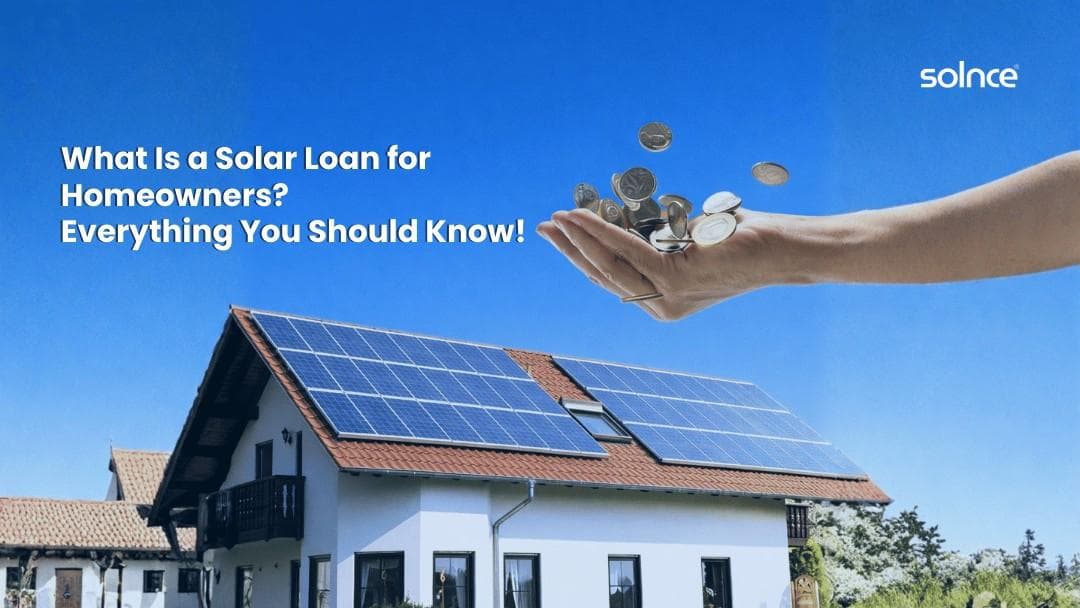
Plenty of homeowners would happily switch to solar if only they didn't have to write one large cheque upfront. That is exactly the problem a solar loan solves. Instead of paying the full installation cost at once, you spread it over comfortable monthly instalments — often so close to your old electricity bill that the switch feels effortless. Here is how solar loans work and how to choose one wisely.
What is a solar loan?
A solar loan is a financing product designed specifically to fund the purchase and installation of a rooftop solar system. The system itself becomes your asset from day one — unlike leasing arrangements, you own the panels, you keep all the savings, and you remain eligible for the government subsidy. You simply repay the cost over time with interest.
Think of it as buying an appliance that pays you back. The power your panels generate offsets your bill, and that saving helps cover your EMI.
How the numbers typically look
While exact terms vary by lender and your credit profile, residential solar loans in India in 2026 generally fall in these ranges:
| Loan Feature | Typical Range (2026) |
|---|---|
| Interest rate | ~8%–12% per annum |
| Tenure | 3 to 7 years (sometimes up to 10) |
| Common system sizes financed | 3 kW, 5 kW and above |
| Down payment | Often low or flexible |
These figures are indicative — your actual rate and tenure depend on the lender, loan amount and eligibility. Always read the sanction terms carefully.
The key idea: a budget-neutral EMI
The most attractive thing about a well-structured solar loan is that the EMI is designed to be budget-neutral. In other words, your monthly instalment is set to match — or fall below — what you were already paying for electricity. You are effectively redirecting money you would have spent on bills toward owning an asset.
Once the loan is paid off, that money stays in your pocket, and your panels keep generating power for many more years.
Solar loan vs paying cash
- Paying cash: lowest total cost (no interest), fastest payback, but a large upfront outlay.
- Solar loan: small or no upfront cost, predictable EMIs, and you start saving immediately — at the price of some interest over the tenure.
For many families, a loan is the difference between going solar this year and putting it off indefinitely. The savings begin from month one, so the system starts working for you straight away.
Stack your loan with the subsidy
A solar loan and the government subsidy are not mutually exclusive — they work together. You can finance the system, claim the Central Financial Assistance under the PM Surya Ghar Muft Bijli Yojana, and use the subsidy (once credited) to prepay part of the loan or simply reduce your effective cost. This combination is often the most financially efficient route for homeowners. Learn more about subsidies and ownership in our guide to residential solar and across the solar blog.
What lenders usually look at
- Your income and repayment capacity.
- Your credit history and score.
- The system cost and proposed tenure.
- Sometimes, basic documentation about the property and roof.
A clean credit profile generally unlocks better rates and longer tenures.
How Solnce helps
We don't just install panels — we help you pay for them sensibly. Solnce can structure solar loans with EMIs designed to sit at or below your current electricity bill, guide you through the documentation, and coordinate the financing alongside your subsidy application so the two work together. The result is a system you own, savings from day one, and a payment plan that fits your budget.
Want to see an EMI estimate next to your projected savings? Get a free quote and we'll build the full picture for your home.