Why Cleaning and Maintenance of Your Solar System Is Necessary
Last updated at : Aug 13, 2026
A solar system is often sold as something you install and forget. The panels have no moving parts, the warranties run for decades, and the inverter quietly does its job in the background. That picture is mostly true, but it leaves out one important detail: a solar plant only keeps performing if it is kept clean and checked. Neglect is rarely dramatic, but it steadily erodes the savings you bought the system for in the first place.
The Quiet Cost of Doing Nothing
When panels are left dirty, their output drops. Even a light, even coating of dust can reduce generation by 10-15%, and in dustier parts of India that figure climbs higher during dry months. Because the loss is gradual and invisible, most owners do not connect a slightly higher electricity bill with the grime sitting on their roof.
- Dust builds up daily and is only partly removed by rain.
- Bird droppings are a common problem in India and create hard shadows that shut down whole sections of a module.
- Leaves and pollen trap moisture and dust against the glass.
- Hard-water stains from poor cleaning leave a permanent haze.
Rain helps with loose dust, but it cannot fix sticky droppings or mineral spots, which is exactly why a deliberate cleaning routine matters.
Cleaning Versus Maintenance: They Are Not the Same
Owners often use these words interchangeably, but they cover different things.
- Cleaning keeps the glass surface clear so sunlight reaches the cells.
- Maintenance checks the electrical and mechanical health of the whole system, the inverter, wiring, connectors, mounting and earthing.
You need both. A spotless panel connected to a failing inverter still under-performs, and a perfectly maintained system buried under dust still loses output. The table below shows how the two work together.
| Activity | What It Covers | Typical Frequency | Main Benefit |
|---|---|---|---|
| Panel cleaning | Glass surface, soiling | Every 1-3 months | Restores lost generation |
| Visual inspection | Cracks, shading, debris | With each cleaning | Catches damage early |
| Electrical check | Connectors, cabling, earthing | Twice a year | Prevents faults and fire risk |
| Inverter health | Errors, efficiency, cooling | Twice a year | Avoids unexpected downtime |
| Performance review | Generation vs expected | Ongoing via monitoring | Flags problems fast |
Protecting Your Warranty and Lifespan
Quality solar modules are built to last 25 years or more, and inverters typically carry their own multi-year warranties. But these warranties usually assume the system is maintained according to the manufacturer's guidelines. Skipping documented cleaning and servicing can weaken or void a future claim, turning a small saving today into a large bill tomorrow.
Regular care also extends real-world lifespan. Catching a loose connector, a developing hotspot or a degrading cable early prevents a small fault from cascading into module damage or an extended outage.
What Good Maintenance Looks Like
A professional approach is structured, not occasional.
- Track generation data so dips are noticed within weeks, not seasons.
- Clean on a schedule suited to your local dust and water conditions.
- Inspect mounting and wiring for wear, corrosion and rodent damage.
- Verify inverter performance and clear any logged faults.
- Keep written records for warranty and resale value.
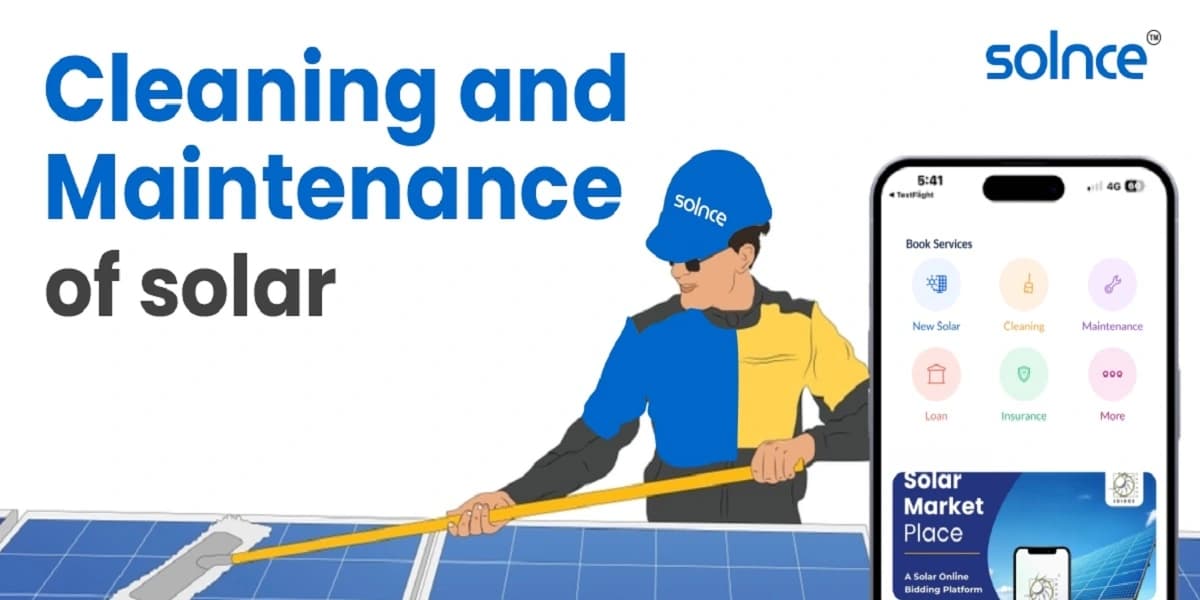
This is where a structured solar maintenance plan earns its keep, and where professional solar cleaning ensures the right water and tools are used so the glass is never scratched.
How Solnce Helps
At Solnce, we believe a solar system should be looked after as carefully as it was designed. Our teams set up cleaning and maintenance schedules around your specific site, then combine surface cleaning with full electrical and inverter health checks so nothing slips through. We monitor generation, report the recovered output, and keep proper records so your warranties stay intact. Whether you run a home rooftop or an industrial solar plant, looking after your system is the cheapest way to protect decades of savings. To set up a care plan, get a free quote and talk to our team.