Polycrystalline Solar Panels: Benefits, Limits and Where They Still Make Sense
Last updated at : Aug 13, 2026
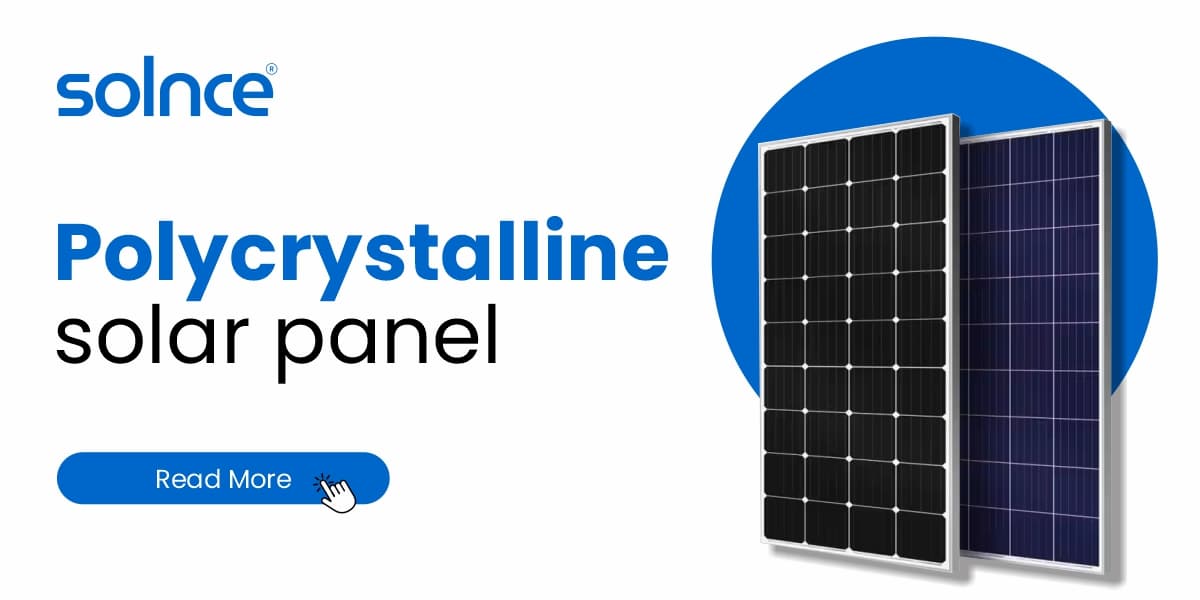
Polycrystalline panels were the budget backbone of India's solar boom, and although monocrystalline modules now dominate rooftops, poly panels still have a place. Recognisable by their speckled blue colour, they trade a little efficiency for a lower price tag. Here is an honest look at what they offer and where they still fit in 2026.
How Polycrystalline Panels Are Made
While monocrystalline cells are grown from a single silicon crystal, polycrystalline cells are made by melting many silicon fragments together and casting them into square moulds. The result is a cell with many crystal boundaries, which gives the panel its distinctive blue, marbled look. Those boundaries slightly slow the flow of electrons, which is why poly panels are a bit less efficient than mono.
Key Numbers to Know
| Metric | Typical Polycrystalline Value |
|---|---|
| Efficiency | 15%–18% |
| Lifespan | 20–25 years |
| Cost per watt | Lower than monocrystalline |
| Heat tolerance | Slightly lower than mono |
| Appearance | Blue, speckled cells |
These are approximate ranges. The defining feature of poly panels is value: you pay less per watt, but you also generate less power from the same surface area.
Advantages of Polycrystalline Panels
- Lower upfront cost, which improves the price-to-watt ratio when space is not a constraint.
- Less manufacturing waste, since the casting process uses silicon more completely than mono cell shaping.
- Proven, mature technology with a long field track record across India.
- Good performance in strong, direct sunlight, which much of India enjoys.
The Limitations
- Lower efficiency means you need more roof or land area for the same capacity.
- Weaker low-light and high-temperature performance compared with modern mono panels.
- Shorter typical lifespan and a less premium appearance.
- Shrinking availability, as manufacturers increasingly shift production toward mono PERC and TOPCon.
When Poly Still Makes Sense
Polycrystalline panels make the most sense when space is plentiful and budget is tight. Think large open rooftops, agricultural sheds, or ground mounted solar arrays where you can simply add a few more panels to make up for lower efficiency. For a compact city rooftop, however, mono panels usually win because they pack more output into limited space.
It is worth knowing that the industry is moving on. Newer technologies like bifacial mono and emerging perovskite cells are pushing efficiency higher, so most new residential quotes you receive in 2026 will be mono-based. Poly remains a value option rather than the default.
How Poly Panels Hold Up in India
Polycrystalline panels were workhorses across India for years, and many early rooftop systems still running today use them. They perform best in strong, direct sunlight, which much of the country enjoys for most of the year. Their weak spot is heat and low light: as temperatures climb on a summer afternoon, poly modules tend to lose a touch more output than modern mono panels, and on hazy or overcast days their generation dips more sharply.
Like any panel, they also need to stay clean. Dust and bird droppings can shave a meaningful slice off generation, so a basic cleaning schedule is essential whatever technology you choose. With sensible maintenance, a quality poly system will serve reliably for two decades or more.
What to Check Before Buying Poly
If poly is the right fit for your project, do not skip the basics:
- Confirm the modules are MNRE-listed and IEC-certified so they qualify for subsidy.
- Read both the product and performance warranties carefully, as poly warranties can be shorter than mono.
- Check the efficiency rating, since poly panels vary more in quality between manufacturers.
- Make sure you genuinely have the roof or land area to fit the extra panels lower efficiency requires.
Because manufacturers are steadily shifting capacity toward mono PERC and TOPCon, also confirm availability and future spare supply before committing to a large poly install.
Poly vs Mono in One Line
If roof space is your limit, choose mono. If land is cheap and plentiful and you want the lowest cost per kilowatt installed, poly can still pencil out. The smartest choice depends on the full picture: your consumption, available area and budget together.
How Solnce Helps
At Solnce Energy we look at your roof, your bills and your goals before recommending any panel type, so you never overpay for efficiency you do not need or undersize a tight roof. We design, install and service systems for residential solar and commercial sites, and we handle the MNRE and subsidy paperwork for you. See our services or browse the solar blog, and get a free quote to find out whether poly or mono delivers better value on your project.